


Understanding the Different Types of Disability Support
Are you feeling overwhelmed trying to navigate the range of disability supports available under the NDIS?
For many participants and families, understanding the different types of services and how they fit into a support plan can feel complex at first. Whether you’re just starting your NDIS journey or seeking clarity on available options, having a clear breakdown of support categories may help you make more informed decisions.
In this blog, we’ll explore the main types of disability support in Newcastle and surrounding areas, with a focus on how these services are funded, delivered, and tailored to individual goals.
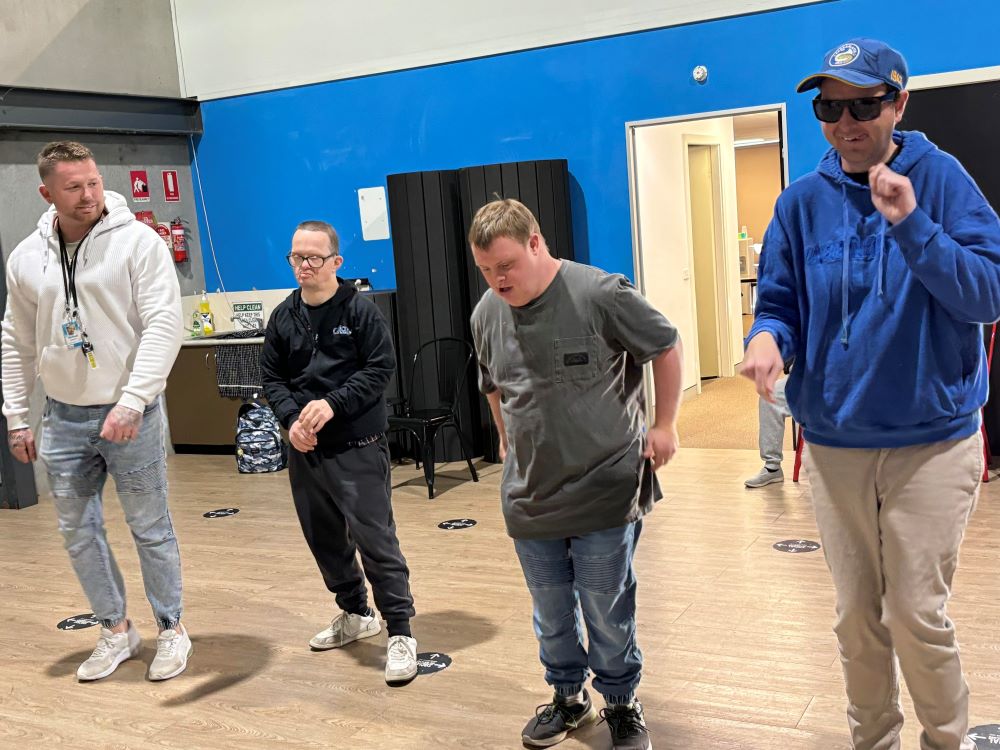
Core Supports: Day-to-Day Assistance
Core supports are designed to help participants with daily living needs and social participation. These services are often flexible and can be adapted to suit changing routines or priorities over time.
Core support may include:
- Assistance with daily personal activities such as bathing, dressing, and grooming.
- Meal preparation and home tasks, including cleaning and laundry.
- Community access support to assist with shopping, social events, or recreational activities.
- Transport services for appointments, day programs, or visits with family and friends.
Participants with core funding can usually choose how they allocate their budget across these areas, depending on their goals and current needs.
Capacity Building Supports: Long-Term Skill Development
While core supports assist with current routines, capacity building supports focus on improving independence and long-term outcomes. These services are often goal-specific and tied to areas such as health, education, or social inclusion.
Key capacity building supports include:
- Support coordination, which helps participants connect with service providers and manage their NDIS plan.
- Improved daily living through therapies such as occupational therapy, psychology, or speech pathology.
- Employment-related supports to help individuals develop job skills or find suitable work.
- Social and community participation programs that encourage engagement, learning, and skill development.
Unlike core supports, these services are usually tied to specific goals outlined in the participant’s NDIS plan and require provider-delivered services.
Capital Supports: Equipment & Home Modifications
Capital supports cover the cost of assistive technology, home modifications, or specialist accommodation. These are generally higher-cost items and require prior approval.
Capital supports may include:
- Mobility aids, such as walkers, wheelchairs, or vehicle modifications.
- Communication devices like tablets with communication software.
- Home adjustments, including ramps, bathroom upgrades, or widened doorways.
- Specialist Disability Accommodation (SDA) for individuals with high support needs.
Participants must usually undergo an assessment or provide supporting evidence to access funding for capital supports. These items are typically arranged through approved suppliers and may involve customisation.
Psychosocial Disability Support
Some participants live with psychosocial disabilities linked to mental health conditions. NDIS provides targeted support to help these individuals with recovery-focused services that improve stability, social inclusion, and community participation.
Support may include:
- Therapeutic services for mental health support.
- Coaching or mentoring to build confidence and life skills.
- Support workers who provide structure and routine in daily life.
- Help with managing tenancy or employment responsibilities.
For those eligible, psychosocial supports are tailored to individual recovery goals and may complement other forms of health and community care.
Early Childhood Intervention
For children under the age of seven with developmental delay or disability, early intervention plays a key role in building foundational skills. The NDIS provides specific pathways and support models for young participants and their families.
Services under early intervention may include:
- Speech and language therapy to support communication.
- Occupational therapy to develop motor skills and independence.
- Behavioural support and routines tailored to individual needs.
- Support for parents and carers to assist with inclusion and engagement at home and school.
These services focus on building early capacity, promoting learning, and improving developmental outcomes over time.
Supported Independent Living (SIL)
For participants who require help with daily tasks in a shared or individual living arrangement, Supported Independent Living is one option. SIL support includes assistance with personal care, cleaning, meal preparation, and developing life skills.
SIL arrangements vary depending on:
- The level of support required (e.g. 24-hour care vs part-time).
- The living environment—whether shared or single occupancy.
- Individual funding approval and eligibility under NDIS criteria.
This type of support is best suited to participants who require ongoing help to live independently and prefer a structured living environment.
Short-Term & Medium-Term Accommodation
NDIS participants may also access temporary accommodation options depending on their circumstances. These are often used during times of transition, respite, or recovery.
Short-term and medium-term supports may cover:
- Respite for families and carers.
- Trial stays for transitioning to independent living.
- Support during home renovations or temporary unavailability of primary care.
These arrangements include both housing and support services, often delivered by registered providers in the local area.
Social & Community Participation
Engaging with the community is a key part of the NDIS framework. Social and community participation supports and encourages involvement in group activities, classes, or events that build confidence, relationships, and personal goals.
Activities may include:
- Sports and fitness programs.
- Art, music, or creative workshops.
- Volunteering opportunities.
- Day outings or social groups.
These supports can be structured or flexible depending on the participant’s preferences and goals.
Navigating Supports in Newcastle
Navigating the different types of disability services in Newcastle may involve considering location, service type, and personal fit. Participants often work with a support coordinator or plan nominee to find providers that align with their values and daily routine.
Some questions to consider:
- Do the services align with your NDIS goals?
- Are they accessible from your home or community?
- Can they adapt to your preferred communication style or cultural background?
- Are the providers registered and experienced in the relevant support category?
While the NDIS provides a flexible framework, understanding how each support type works in practice may help participants get more value out of their funding.
Explore Personalised Disability Support in Newcastle
Understanding the range of disability support options available through the NDIS may help you or your loved one make more confident, informed choices. Whether you’re looking for daily assistance, early intervention, or long-term independence, the right combination of supports can align with your goals and routines.
At Gleam Support Services, we provide tailored disability support in Newcastle and surrounding areas to suit individual needs, goals, and preferences. Contact us today to discuss how we can support your NDIS journey.